

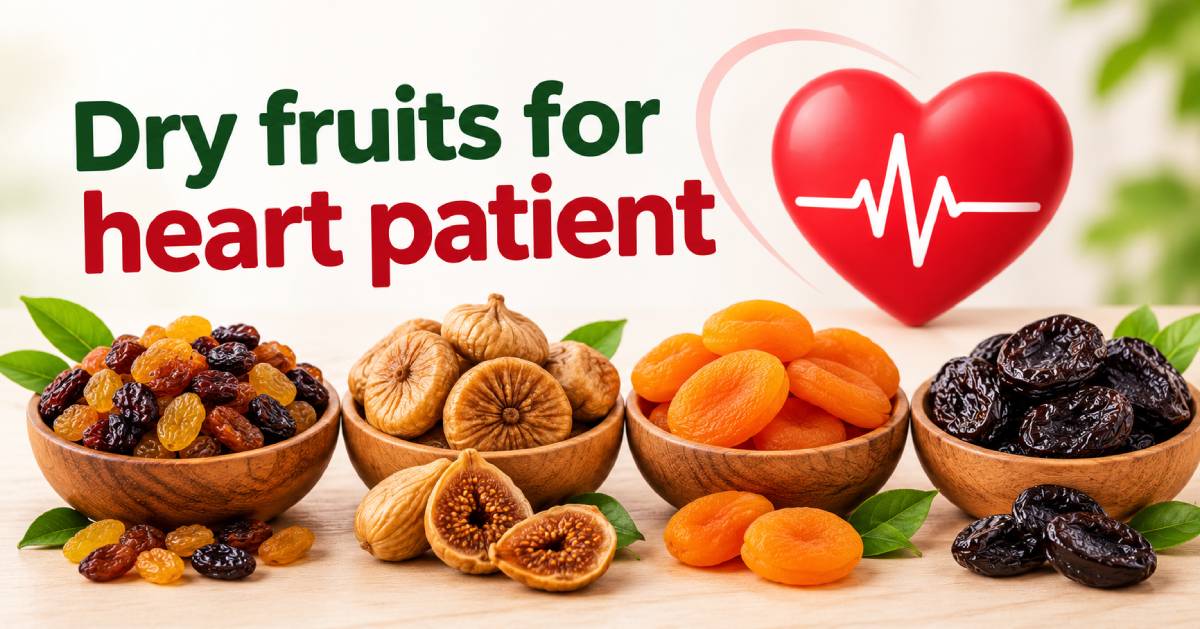
Dry fruits for heart patient diets taste sweet, and they also deliver fiber, potassium and plant compounds. But portion size matters, so patients must choose carefully. Heart disease remains a leading killer worldwide, and families from India to the UAE ask about diet daily.
Many people want the right snack, and this guide answers that question step by step. You will learn which choices help, which habits hurt, and how doctors guide the diet. Dry fruits for heart patient plans work best when the snack fits the whole eating pattern.. Before you read this guide, learn about Iran’s export volume and the best store to buy from.
Iran dry fruits export volume and buying from dingonuts
Iran ranks among the world’s leading producers of raisins, dried apricots and dried figs, and its exports reach buyers on several continents. Importers in India, Pakistan, Malaysia and Indonesia buy Iranian dry fruits every year, and European customers in Germany and the Netherlands do the same. Neighboring and Gulf markets such as Iraq, Qatar, Oman, Kuwait, Bahrain and Jordan also rely on Iranian supply, because the fruit tastes sweet and arrives fresh.
Dingonuts brings this export strength to your business, and we focus on wholesale supply. We offer many kinds of raisins, dried apricots and dried figs, and every batch goes through careful sorting. You can buy dry fruits for heart patient snack lines in bulk from Dingonuts, and our team answers your questions about international marketing and shipping. Because buyers want consistent quality, we pack each order with a clean, dry and uniform product. Our team also supports importers, distributors and health brands, so you gain a reliable partner. Contact Dingonuts today, and start your wholesale order with a trusted Iranian exporter.
Best dry fruit for heart
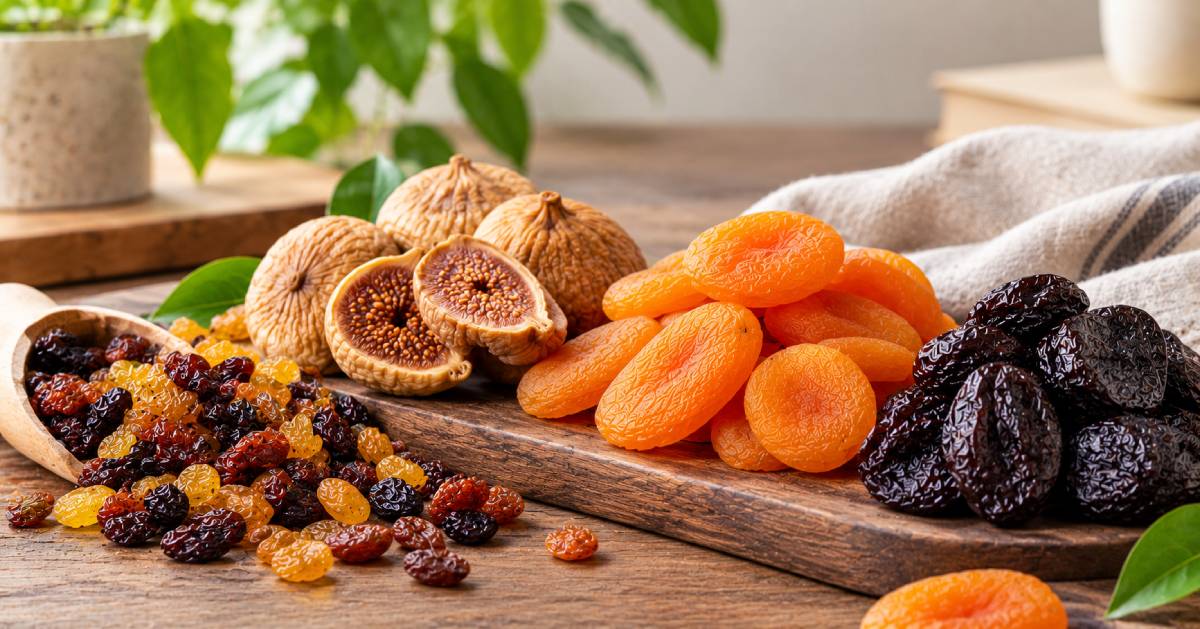
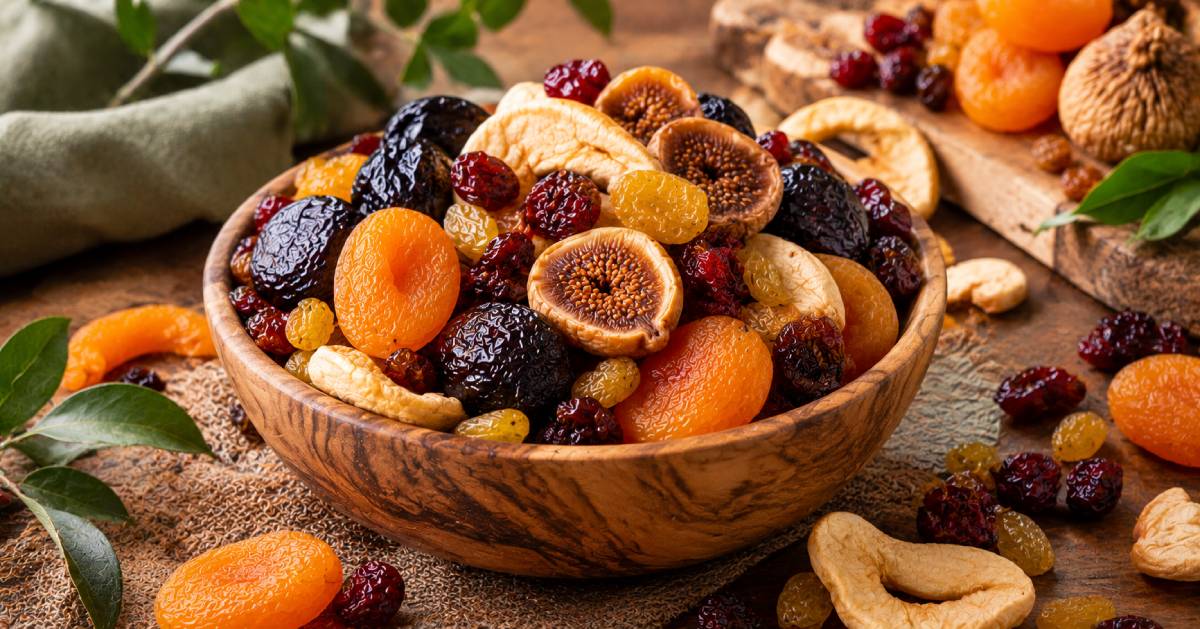
The best dry fruit for heart health depends on your goal, but prunes, figs, raisins and dried apricots lead the list. Prunes bring fiber and potassium, and dried apricots add more potassium and plant pigments. Dried figs give fiber and calcium, while raisins offer polyphenols and iron. Each fruit works well, but none replaces medicine or a doctor’s plan. This guide treats dry fruits for heart patient safety as the first priority, and taste comes second.
Are dry fruits good for heart patients?
Yes, they usually are, because they provide fiber, potassium and antioxidants without any cholesterol. However, dry fruits concentrate sugar, so patients should eat a small handful, about 30 grams, per day. Patients should also pick plain fruit, since candied pieces add sugar and extra calories. Dry fruits for heart patient menus therefore need small portions and plain products.
Best dry fruits for heart patients
Patients often want a clear shortlist of dry fruits for heart patient menus, so here are the top choices.
Which dry fruits are good for heart patients?
- Prunes: they offer fiber and potassium, and they support healthy digestion.
- Dried apricots: they provide potassium and beta-carotene, and they suit salt-free snacking.
- Dried figs: they deliver fiber and minerals,.
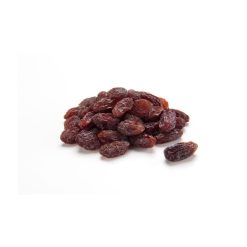
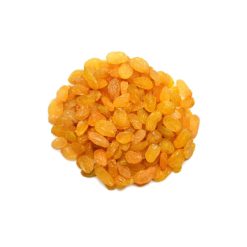
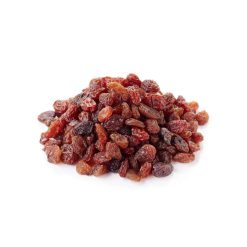
- Raisins: they give potassium, so a spoonful works better than a cup.
Iran grows many raisin types, and each one has a slightly different taste and color. Choose dry fruits for heart patient snacks without salt, sugar coating or chocolate, because those extras harm the heart. Shoppers in the UAE, Saudi Arabia and Qatar check labels first, and smart buyers everywhere should copy them.
For further information, don’t miss this content: Dry fruits for glowing skin: your daily beauty snack
Shop our Grade A dried figs, because they offer soft texture, natural sweetness, and rich fiber. View the product page, and order premium Iranian figs today.

Dry fruits for low blood pressure
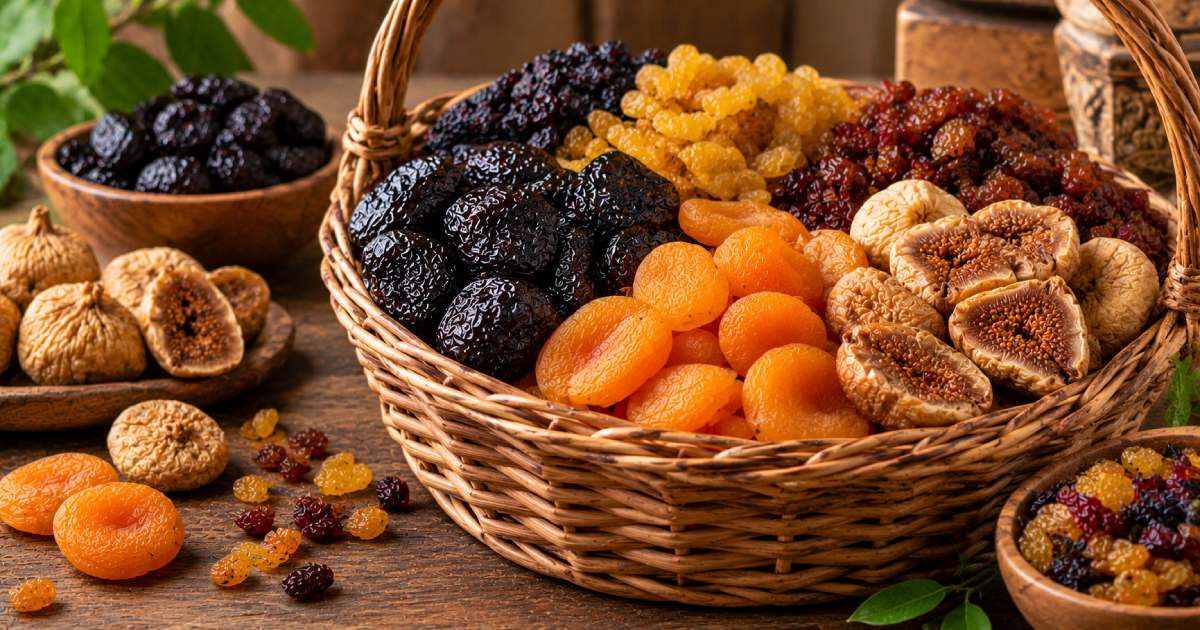
Low blood pressure needs a gentle approach, so dry fruits only play a supporting role. Raisins and dried apricots give quick energy and some iron, and that can help when low iron causes weakness. But no dried fruit raises blood pressure on its own, so drinking enough water and seeing a doctor matter more. Dizzy spells or fainting need medical checks, because they can signal a deeper problem. Dry fruits for heart patient menus with low pressure should stay simple, and a doctor should approve every change.
Dry fruits for high blood pressure
Potassium helps the body balance sodium, so potassium-rich fruit suits high blood pressure. Prunes, dried apricots and raisins each give potassium, and none carries added salt when plain. Dried figs also give magnesium, and that mineral supports normal blood pressure. The DASH diet already includes fruit and cuts sodium, and many cardiologists recommend it.
However, some blood pressure medicines raise potassium levels, so patients must ask their doctor first. Salted snack mixes cancel the benefit, because sodium pushes pressure up. Importers in Germany and the Netherlands often demand clear nutrition labels, and customers benefit from that transparency. Dry fruits for heart patient diets with high pressure should stay plain, small and unsalted.
Dry fruits for cholesterol
Raisins, prunes, figs and apricots all help a cholesterol-conscious diet, but each one works in its own way. Prunes contain pectin, so they help the gut trap bile acids that carry cholesterol. Dried figs add fiber and plant compounds, and they replace sugary desserts nicely. Dried apricots bring potassium and vitamin A, while their fiber keeps you full longer. Raisins carry polyphenols that support blood vessels, yet a spoonful already counts as a serving. Eat them plain instead of coated, because added sugar and oil undo the gains.
Does dry fruits increase cholesterol?
No, dry fruits do not raise cholesterol directly, and their fiber can even help lower LDL. Prunes, figs and apricots supply soluble fiber, and that fiber binds some cholesterol in the gut. Overeating still causes problems, because extra calories lead to weight gain and worse blood fats. Sugar-coated or fried mixes also hurt, so patients should read every label. Pair a small portion with oats or plain yogurt, and the meal digests more slowly. Dry fruits for cholesterol plans work best beside olive oil, fish, vegetables and whole grains. Dry fruits for heart patient routines also need exercise, and a doctor should check cholesterol regularly.
Smart ways to eat dry fruits every day
Add chopped prunes or raisins to plain oatmeal, and skip the brown sugar. Mix dried apricots into plain yogurt, because the tang balances the sweetness. Carry a few figs as a snack, and drink water with them. Store dry fruits in airtight jars, and keep them in a cool, dry place. Buyers in Malaysia and Indonesia, where humid weather speeds spoilage, often use sealed containers for this reason. Check every label for added sugar and salt, because some products hide them.
We suggest taking a look at this post: best dry fruits for sugar patients
Explore our raisin categories, because every variety offers natural sweetness, soft texture, and rich nutrients. Browse the collection, and order premium Iranian raisins today


Which dry fruit is good for heart and diabetes?
Prunes and dried apricots usually suit people with diabetes best, because they raise blood sugar more slowly. Raisins and dates raise sugar faster, so patients should eat only a few pieces. Pair the fruit with plain yogurt, and check blood sugar to learn your own response. Dry fruits for heart patient plans with diabetes need a dietitian’s input, because medicines and portions vary.
Which dry fruit is best for heart blockage?
Dry fruits for heart patient diets cannot clear a blocked artery, and any claim like that is false. Prunes, figs and apricots support a heart-healthy diet, but treatment comes from doctors, medicine and sometimes procedures. Patients with blockage should follow the cardiologist’s plan, and they can add small portions of plain fruit. Heart disease affects families in India, Pakistan, Oman and Kuwait, and diet education matters in every country.
What is the best diet for people with heart failure?
- Limit sodium, and avoid salted snacks and processed foods.
- Follow your doctor’s fluid advice, because some patients need limits.
- Eat vegetables, whole grains, fish and lean protein, and keep portions moderate.
- Ask about potassium, since some heart failure medicines raise potassium levels.
- Add dry fruits for heart patient snacks in small amounts, but check with your cardiologist first.
- Weigh yourself daily, and tell your doctor about sudden weight gain.
Conclusion
Dry fruits for heart patient diets help when patients choose plain fruit and respect portion sizes. Prunes, dried apricots, figs and raisins offer fiber and minerals, but they never replace treatment. Low blood pressure, high blood pressure, cholesterol, diabetes and heart failure each need personal advice, so talk to your doctor. Remember that dry fruits for heart patient choices should always match medical advice, and small steps add up. Patients in Bahrain, Jordan and every other country can enjoy these fruits safely when they eat with care.
